




The protection of some of the ocean’s most threatened species depends on one essential thing: understanding them.
Before effective conservation strategies can be created, scientists need to know where animals travel, how they behave, which habitats they depend on and what pressures they face. Gathering that information often requires working in some of the most challenging underwater environments on Earth.
The TAMATAROA Project is one such initiative.
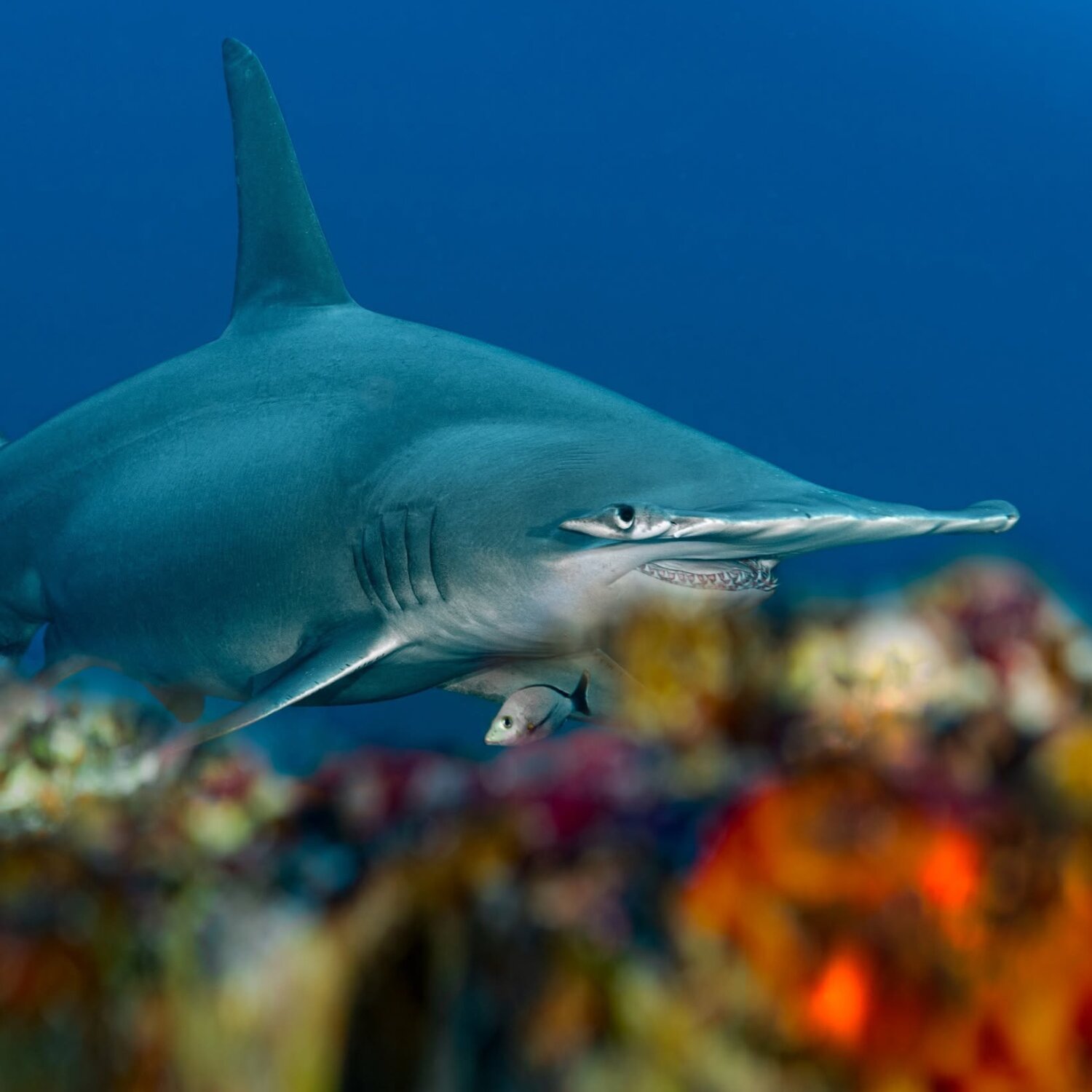
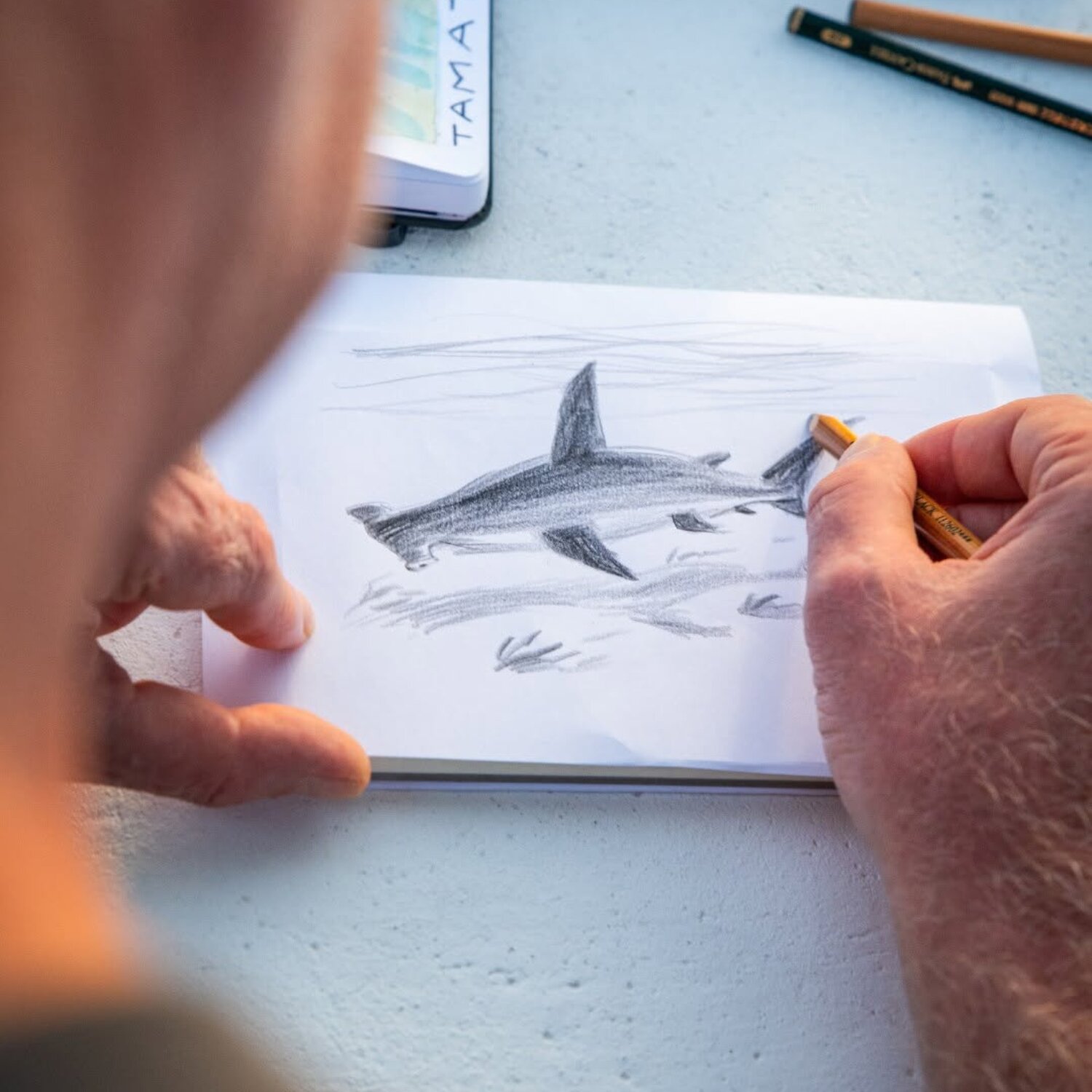
A long-term conservation programme dedicated to the great hammerhead shark (Sphyrna mokarran), TAMATAROA brings together scientific research, exploration, technology and collaboration to better understand and protect this extraordinary species in French Polynesia.
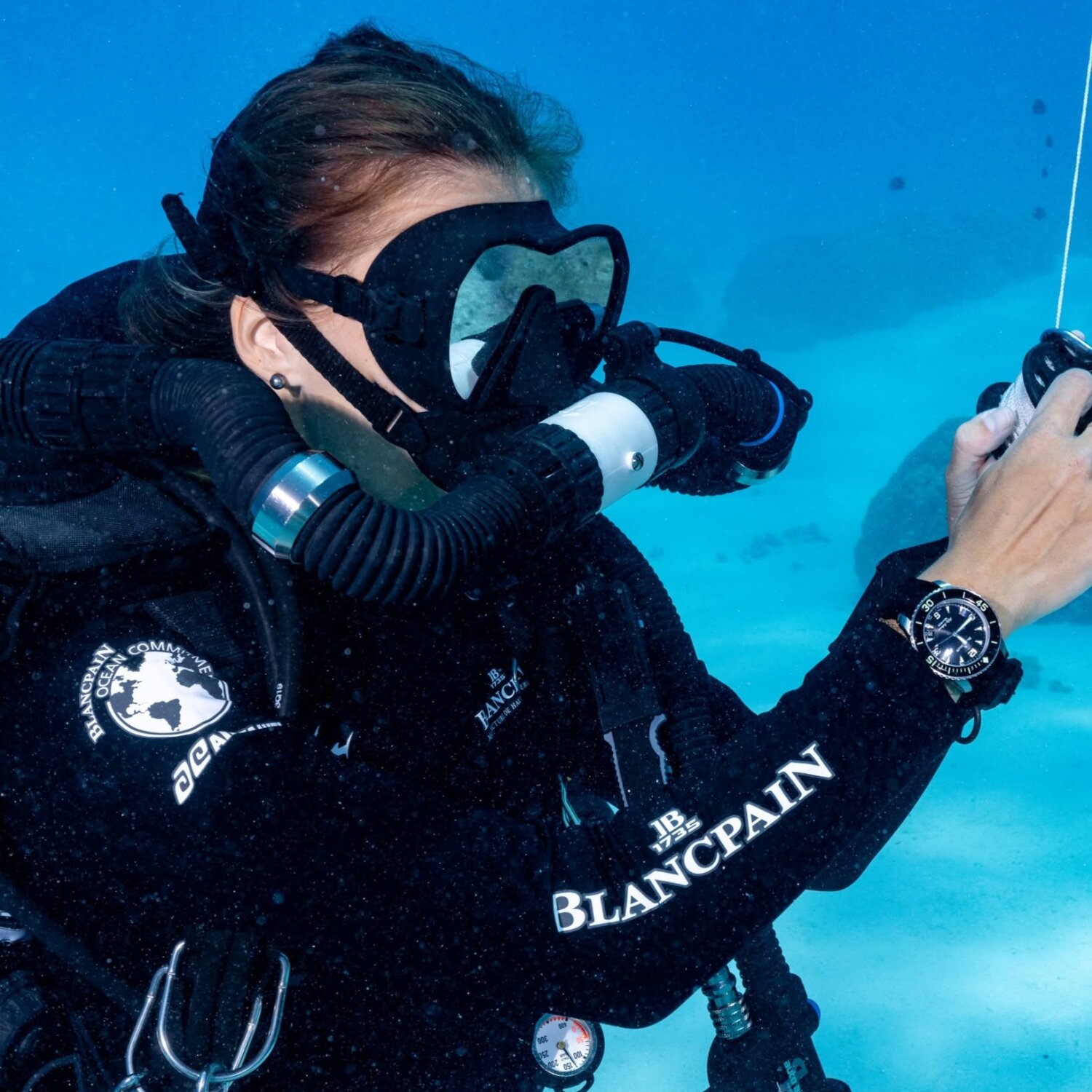
At AP Diving, we are proud to see our closed-circuit rebreather technology supporting the divers involved in this important work.
A project built around discovery and conservation
The TAMATAROA Project is a collaboration between Gombessa Expeditions and the Mokarran Protection Society, with long-term support from Blancpain Ocean Commitment.
The project represents years of dedication to one of the ocean’s most iconic and endangered predators: the great hammerhead shark.
While great hammerheads are instantly recognisable, much about their behaviour, movements and habitat requirements remains poorly understood. This lack of knowledge creates a major challenge for conservation.
The latest phase of the project places scientific research at its centre through the PhD work of Tatiana Boube, whose research focuses on improving understanding of the species’ ecology, movements and important habitats within French Polynesian waters.
Her work aims to provide the scientific foundation needed to support future conservation and management measures.
Read the full story from Blancpain Ocean Commitment: TAMATAROA: a new film dedicated to Tatiana Boube’s PhD research.
The importance of underwater access
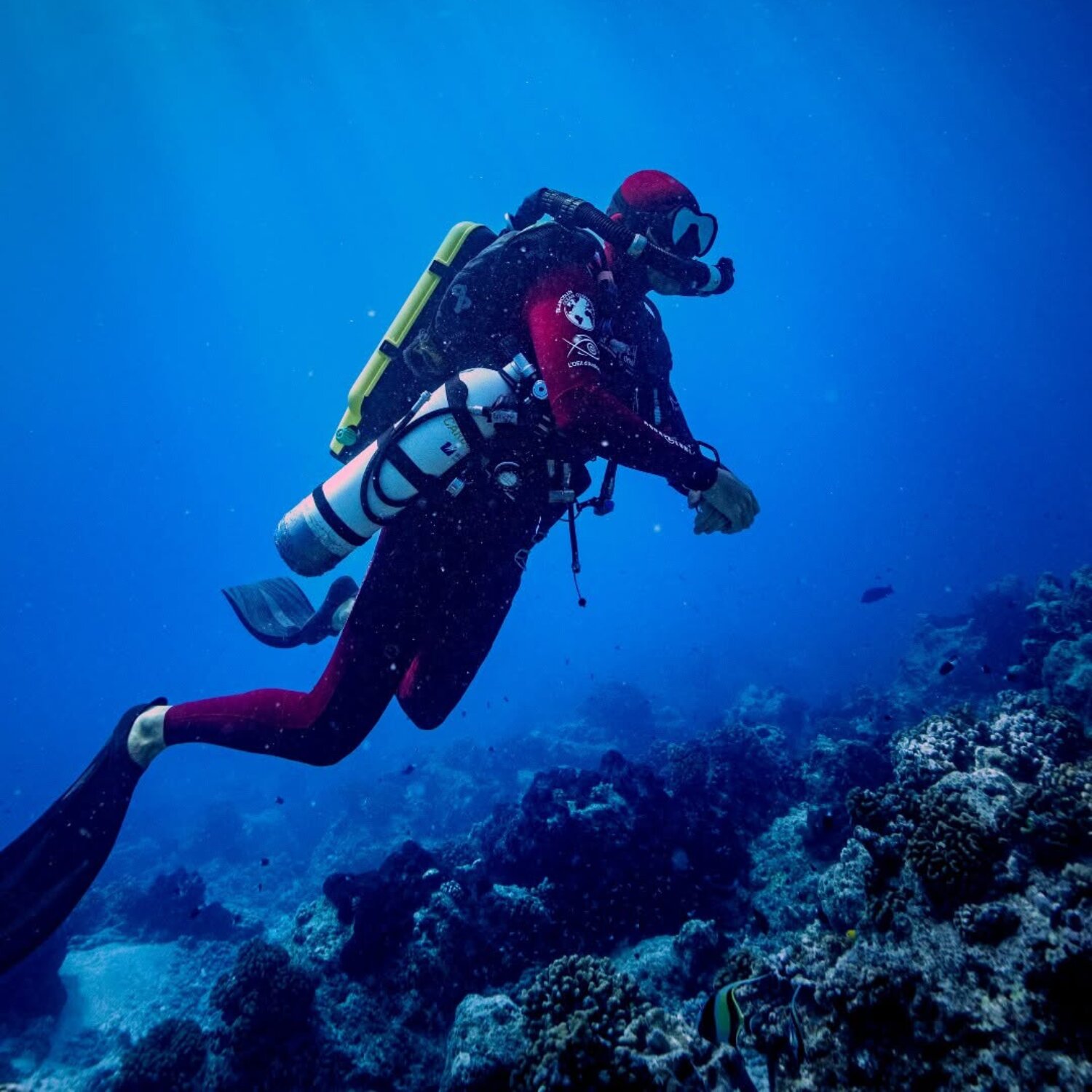
Marine research often depends on the ability of scientists and expedition divers to spend meaningful time underwater.
Many important observations cannot be achieved through short dives alone. Studying large marine animals requires patience, minimal disturbance and the ability to operate effectively in remote locations.
This is where advanced rebreather technology plays an important role.
Unlike traditional open-circuit scuba systems, closed-circuit rebreathers recycle the breathing gas, removing carbon dioxide and allowing the diver to reuse oxygen within the system. This provides several advantages for scientific and exploration diving:
- Extended underwater endurance
- Reduced bubble production
- Improved diver efficiency during long observation periods
- Less disturbance to marine life during close encounters
For projects involving sensitive species such as sharks, reducing underwater disturbance can be particularly valuable. Quiet, controlled approaches allow divers and researchers to observe natural behaviours while minimising their impact on the environment.
Supporting scientific missions in demanding environments
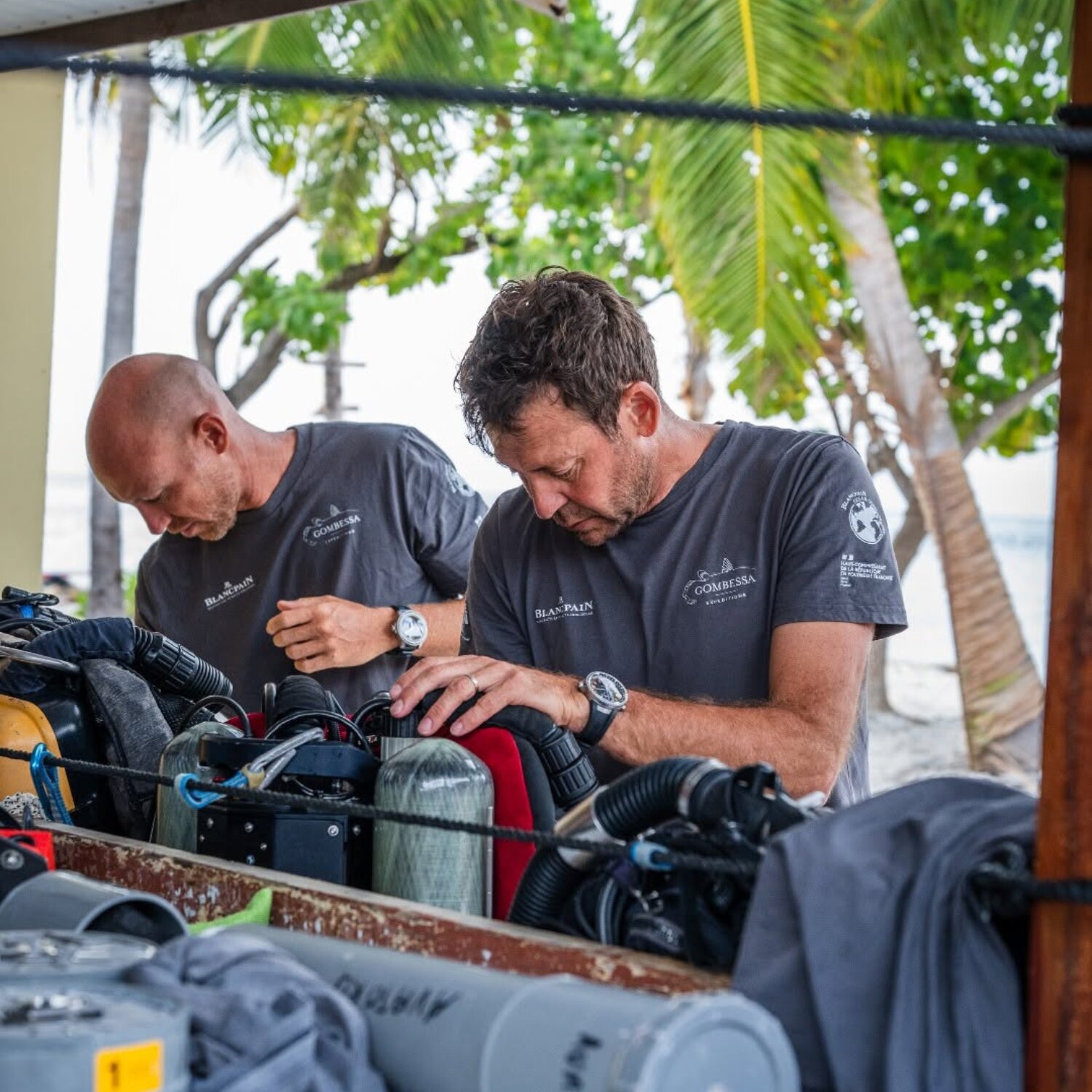
Expedition diving is about more than simply reaching depth. It requires reliability, adaptability and equipment capable of performing in challenging conditions.
Scientific teams working in remote marine environments may face:
- Long boat journeys between dive sites
- Limited operational windows
- Changing weather and ocean conditions
- The need to collect accurate observations and data
The equipment used during these missions becomes an important part of the wider scientific process.
AP Diving has a long history of developing closed-circuit rebreather systems for professional, military, exploration and scientific applications. Seeing our technology used by teams pushing the boundaries of underwater knowledge reflects the original purpose of rebreather innovation: enabling people to explore, study and understand the underwater world.
Combining technology, science and conservation
One of the most important aspects of TAMATAROA is its multidisciplinary approach.
Successful marine conservation requires more than a single area of expertise. It depends on the combination of:
- Scientific research
- Field observations
- Advanced technology
- Local knowledge
- Collaboration between organisations
- Long-term commitment
Tatiana Boube’s PhD research provides a scientific framework for the next stage of the project, helping transform years of fieldwork into valuable knowledge that can contribute to protecting the great hammerhead shark and the habitats it relies on.
A shared commitment to protecting the ocean
At AP Diving, we believe technology has an important role to play in understanding and protecting our oceans.
From exploration to scientific research, every underwater mission contributes to a greater picture of our marine environment. The discoveries made by projects such as TAMATAROA help highlight the importance of protecting species that are vital parts of ocean ecosystems.
We are proud that AP Diving rebreathers are supporting the divers and researchers contributing to this important conservation effort.
We congratulate Tatiana Boube, the teams at Gombessa Expeditions and the Mokarran Protection Society, and everyone involved in the TAMATAROA Project for their continued dedication to marine science and conservation.
All expedition photography & video is credited to the TAMATAROA Project / Blancpain Ocean Commitment.
Discover the film and the scientific research at the core of the TAMATAROA Project
Follow along on social media as the TAMATAROA Project continues its journey – sharing new discoveries, behind-the-scenes moments, and the latest updates from this important marine conservation effort.